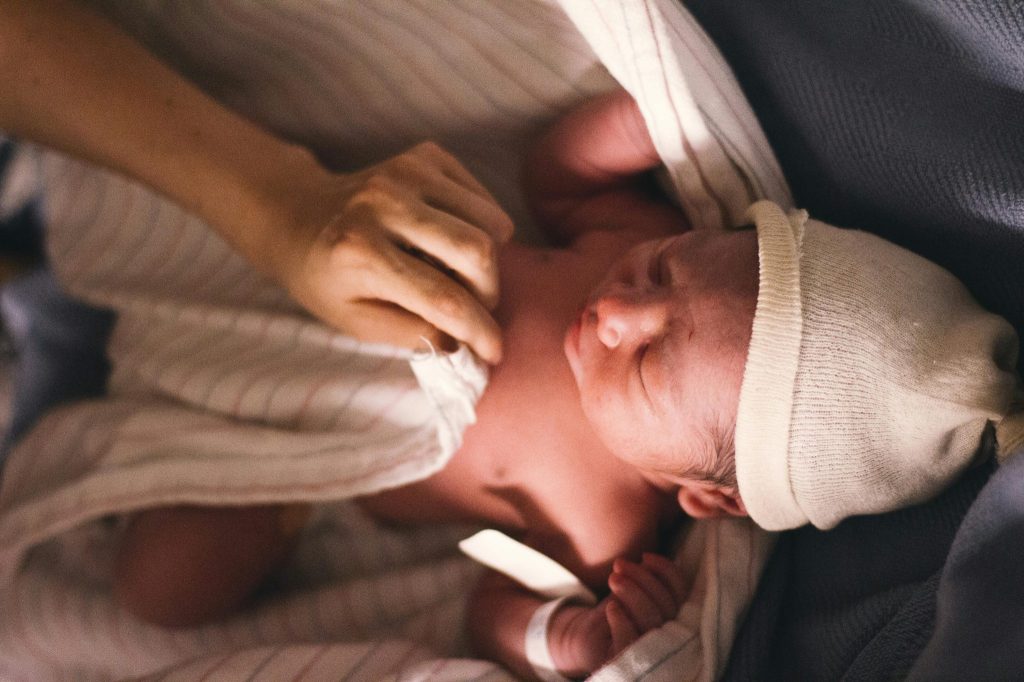
(Isaac Taylor, Pexels)
A government campaign to encourage women to give birth via vaginal delivery has drawn criticism on the grounds that it stigmatises mothers who choose caesareans.
In October 2024, Turkey’s Ministry of Health launched a “Normal Birth Action Plan” to encourage women to give birth via vaginal delivery. The campaign, announced in a public service ad titled “Mum, we did it”, prompted a backlash on social media. The Turkish Psychiatric Association also criticised the public service ad for being unscientific and portraying vaginal births as a “success”, making women who have caesareans feel guilty and inadequate.
Turkey leads the world in caesarean birth rates. According to the Ministry of Health, 60.1% of live births in 2022 were performed via caesarean section. Data from the Organisation for Economic Co-operation and Development (OECD) recorded Turkey’s caesarean rate in 2021 as 584.2 per 1,000 births. International health authorities recommend caesarean deliveries only when the health of the mother or baby is at risk.
Launched in October 2024, the action plan was announced with the participation of Emine Erdoğan, the wife of President Recep Tayyip Erdoğan. It includes measures such as establishing prenatal schools, expanding mother-friendly hospital standards, increasing the authority of midwives, assigning a midwife to every pregnant woman, and monitoring caesarean deliveries.
But the announcement – and the ensuing debate – has shone a light on deeper problems in Turkey’s health system. Associate Professor of Obstetrics and Gynecology Dr. Murat Ekmez argues that the high caesarean rates cannot be explained solely by women’s choices.
This article was published on January 31, 2025, in Inside Turkey. Click here to read it.
 Seda Karatabanoglu
Leave a comment