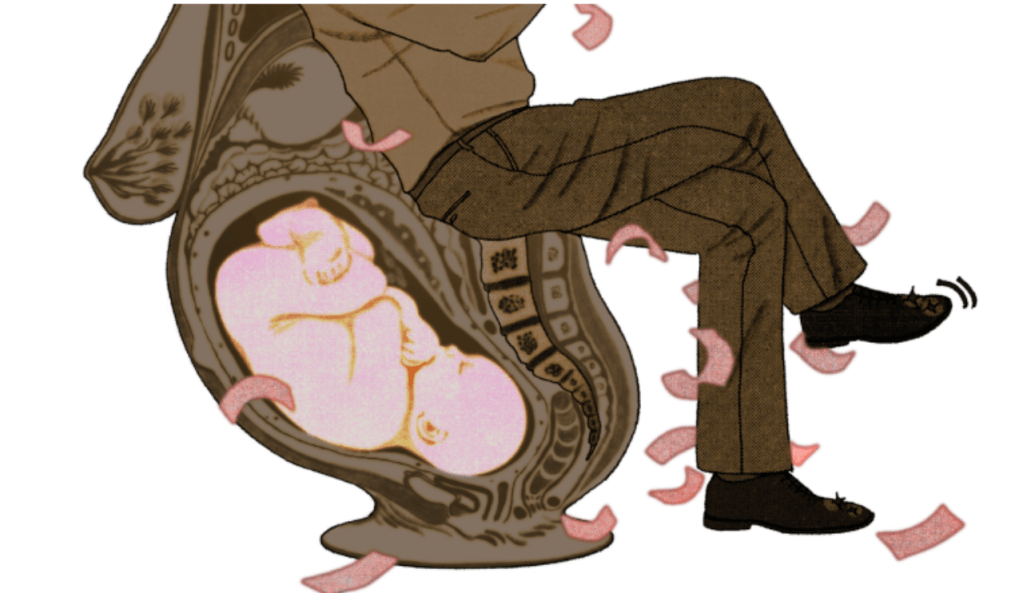
İllüstrasyon: Z. Coşkun Özcan.
Küresel taşıyıcı annelik pazarı hızla büyürken ülkeler arasındaki farklı yasal düzenlemeler birçok suistimale yol açıyor. Türkiye – Gürcistan – KKTC hattında etik olmayan uygulamalara ve yasadışı ticarete işaret eden ifadeler ile sonuçlanmayan hukuki soruşturmalar, bu suistimalin önüne geçilebilmesi için uluslararası yasal denetim ihtiyacını gündeme getiriyor.
Bir kadının başka bir çift için çocuk taşıdığı yardımcı bir üreme teknolojisi yöntemi olarak tanımlanan taşıyıcı annelik uygulamasına olan talep, küresel çapta yükselişte.
Araştırmalar, 2023 yılında 121,85 milyar dolar değerinde olan Küresel Taşıyıcı Annelik Pazarı’nın, 2034 yılına kadar 196 milyar dolara ulaşacağını gösteriyor.
Bu öngörülen büyüme, taşıyıcı annelik uygulamasının yasal olduğu Avrupa ve Kuzey Amerika ülkelerinde yoğunlaşıyor. Çünkü taşıyıcı annelikle ilgili hukuki düzenlemeler ülkeden ülkeye büyük ölçüde farklılık göstermekte; bazı ülkeler uygulamayı tamamen yasaklarken, diğerleri ise yasal çerçevede izin veriyor.
Bilimsel araştırmalar, taşıyıcı annelik uygulamasının yasal olup olmamasına bakılmaksızın, hukuki düzenlemelerdeki boşlukların istismar vakalarına zemin hazırlayabileceğine dikkat çekiyor. Bu durum, kadın ticareti, taşıyıcı annelerin ve ebeveyn adaylarının ajanslar tarafından baskı altına alınması, sahte prosedürler ve çoklu embriyo transferleri gibi etik olmayan uygulamalara neden oluyor.
Yasalar ve istismar vakaları
Türkiye, Gürcistan ve Kuzey Kıbrıs Türk Cumhuriyeti (KKTC) üçgeni de taşıyıcı annelik kapsamında araştırmaların dikkat çektiği istismar vakalarının adresi.
Türkiye’de taşıyıcı annelik yöntemi kanunen yasakken, ülkenin kuzeydoğu sınır komşusu Gürcistan’da ve güney komşusu KKTC’de ise yasal.
Gürcistan’ın başkenti Tiflis merkezli Gelecek için Umut Derneği, özellikle ülkede taşıyıcı annelik konusunda istismar vakalarını ve yasadışı olayları raporlayan kuruluşlardan biri.
“Kuruluşumuz sadece Gürcistan vatandaşlarının değil, Türk vatandaşlarının da taşıyıcı anne olarak kullanıldığı vakalar ve çocukların sahte evraklarla sınır dışına taşınmasına ilişkin bilgi sahibi. Bunları savcılığa ilettik. Gürcistan savcılığı 10 yıldır bu konu hakkında soruşturma yürütüyor. Ancak savcılık bu gerçeklere yanıt vermemekte ve ceza davaları raflarda beklemektedir. Görünüşe göre birileri karanlık işleri örtbas ediyor.” diyor dernek başkanı Tamar Khachapuridze.
Khachapuridze, buna örnek olarak Türkiyeli olduğunu iddia ettiği bir taşıyıcı annenin, embriyo transferinin Gürcistan’da gerçekleştiğini, ancak bebeği bekar Çinli bir erkeğe vermek üzere doğumdan üç ay önce Tayland’a götürüldüğünü belirterek, doğumun orada gerçekleştirdiğini söylüyor.
Ancak, Gürcistan’daki yasalar Gürcü kadınların dışında diğer ülkelerden kadınlara embriyo transferi gibi herhangi bir taşıyıcı annelik işlemine izin vermiyor.
Khachapuridze’nin Türkiyeli kadınların da yer aldığını iddia ettiği soruşturma dosyasının numarasına ulaşarak, Gürcistan Başsavcılığına dosyanın varlığı ve içeriği hakkında sorduğumuz yazılı sorular ise yanıtsız kalıyor.
Tiflis’te taşıyıcı annelikle ile ilgili davalarda yer alan avukat Rusudan Nanava, “Savcılıktan herhangi bir bilgi alabileceğinize inanmıyorum. Sadece ceza davaları değil, özellikle taşıyıcı annelik ile ilgili olanlar daha yüksek düzeyde gizlilik içerir” diyor.
İnsan kaçakçılığı ve yasal çelişkiler
Gürcistan hükümeti, taşıyıcı annelik yasasında değişiklik hazırlığında. Bağımsız milletvekili Tamar Kordzaia, insan kaçakçılığı gibi suistimallerin önlenmesi için bu düzenlemeye gerek olmadığını, başka önlemler alınabileceğini savunuyor.
Haziran 2023’te gündeme gelen ancak henüz onaylanmayan yasa tasarısı, ticari taşıyıcı anneliği yasaklıyor ve uygulamayı yalnızca fedakarlık ilkesine dayandırıyor. Tasarıya göre, taşıyıcı annelik sadece Gürcü vatandaşları için yasal olacak, yabancı çiftlerin bu hizmeti kullanması engellenecek.
Vekil Kordzaia’nın görüşü ise, kanun teklifinin parlamentodan geçmeyeceği yönünde.
“Yeni kanun teklifi görüşülüyor ama bu zaman alan bir süreç. Hükümet istediği işleri hızlandırıyor ama bunu hızlandırmıyor. Bu kanun kabul edilirse sağlık kurumları maddi olarak zarar görecek. Aynı şekilde geçimini taşıyıcı annelikten kazanan kadınlar da. Kanun teklifinin geri çekileceğini düşünüyorum.”
Ekonomik etkiler ve kadınların geçim mücadelesi
Gürcistan Ulusal İstatistik Ofisi’nin 2023 yılı verilerine göre 18-65 yaş grubu kadınların yüzde 11,5’i mutlak yoksulluk sınırının altında yaşıyor. Bu durum ülkede kadınları taşıyıcı anne olmaya iten nedenlerin başında geliyor.
O kadınlardan biri de Teona. Teona 42 yaşında bir öğretmen ve eski eşi tarafından aile içi şiddet mağduru. 10 yıl önce iki kez taşıyıcı annelik yapmış. Nedenini ise o dönem ciddi maddi sıkıntı yaşamasına ve öğretmen maaşlarının düşük olmasına bağlıyor.
“Bir kadın olarak, çocuk sahibi olamayan bir kadını mutlu etmek istedim. Elbette benim de maddi çıkarım vardı. En önemli hedefim de ev almaktı, kendime ait bir daire istemiştim bunu gerçekleştirdim. Bunu kendi çocuğumun geleceği için de yaptım” diyor Teona.
Gürcistan’ın köklü sağlık kuruluşlarından Chachava adlı kliniğin Üreme Sağlığı Merkezi Direktörü Dr. Keti Gotsiridze ise kliniğinin veri araştırmasına göre, taşıyıcı annelik uygulamasının sağlık turizmine yılda 300 milyon dolar katkı sağladığını belirtiyor.
Müşterilerinin yüzde 90’ının yabancı olduğunu belirten Gotsiridze, taşıyıcı annelere 25-30 bin Euro ödeme yapıldığını ve her yıl ortalama 300-400 taşıyıcı anne ile çalıştıklarını aktarıyor.
Gürcistan’da taşıyıcı annelik uygulamasına yönelik değişiklik öngören yeni yasa tasarısı, şu an için daha çok ekonomik kaygılar nedeniyle askıya alınmış görünüyor. Ancak, mevcut yasanın suistimaliyle ortaya çıkan insan kaçakçılığı sorununa nasıl bir çözüm getirileceği sorusu hâlâ yanıtsız.
Gizli ihbarla başlayan ve çıkmaza sürüklenen soruşturma
Durum Gürcistan’ın sınır komşusu Türkiye’de de çok farklı değil. Tek fark, Türkiye’deki yasaların hiçbir şekilde taşıyıcı annelik uygulamasına izin vermemesi. Ancak bazı vakalar, uygulama yasal olsun veya olmasın insan ticaretinin önüne geçilemediğini gösteriyor.
İstanbul Başsavcılığın’da yer alan bir soruşturma dosyası, Türkiye, Gürcistan ve Kuzey Kıbrıs üçgeninde gerçekleşen taşıyıcı annelik ticaretini resmedebiliyor.
3 Eylül 2021’de SABİM’e yapılan ihbar, uzun sürecek bir soruşturmanın başlangıcı oluyor. İhbarda, Ümraniye’de genç kızlara yumurta büyütme ilaçları temin edilerek sahte belgelerle taşıyıcı anne olarak KKTC ve Gürcistan’a gönderildikleri ve Merional ilaçlarının Üsküdar’daki bir işletmeye kargolandığı öne sürülüyor.
İhbar üzerine soruşturma başlatan İstanbul Cumhuriyet Başsavcılığı, bir yıl sonra şüpheli A.A’nın kimliğine ulaşıyor. Organize Suçlarla Mücadele Şube Müdürlüğü, A.A. ve ilaçların gönderildiği Üsküdar’daki kafenin yetkilisini tespit etmek için çalışma yapıyor. Ancak 8 Aralık 2022 tarihli tutanağa göre, şüpheli bulunamıyor ve kafenin polis çalışmasından bir ay önce, 8 Ağustos 2022’de kapandığı anlaşılıyor.
Araştırmamızın ardından işletme sahibinin M.K isimli bir avukat olduğunu öğreniyoruz. M.K ile yaptığımız görüşmede, o dönem kafenin sahibi olduğunu doğrulasa da kargolanan yumurta büyütme ilaçlarından haberdar olmadığını ve mağdur olduğunu belirtiyor.
Polis tutanağına göre, A.A’nın “F. Tüp Bebek Merkezi”ne gönderdiği kızların işlemlerini yapan doktor S.T ve yardımcılarının, kayıtları sildiği iddia ediliyor. Ancak polis, S.T’nin suç kaydı bulunmaması ve somut delil veya tanık olmaması nedeniyle bu konuda araştırmayı sonlandırıyor.
Bunun üzerine telefonla ulaştığımız doktor S.T, soruşturmadaki iddiaların asılsız olduğunu savunuyor. Tüm bu süreçlerinin sonunda başsavcılık soruşturma dosyasına takipsizlik kararı veriyor.
İstanbul İl Sağlık Müdürlüğü, takipsizlik kararına itiraz ederek, başsavcılığa gönderdiği yazıda incelemenin yetersiz olduğunu belirtiyor. Suçun maddi ve manevi unsurlarının tam ortaya konmadığını belirterek, kapsamlı bir inceleme ve şüphelilerin cezalandırılmasını talep ediyor. Ancak, 31 Mayıs 2023 tarihinde ise İstanbul 7 Sulh Ceza Hakimliği gerekçe belirtmeden, İl Sağlık Müdürlüğü’nün itirazı hakkında red kararı veriyor.
Dosya, söz konusu Türkiyeli genç kızların bu süreçte ne gibi mağduriyetler yaşadığına, Gürcistan ve KKTC’deki hangi kliniklere ne gibi koşullarda gönderildiklerine dair birçok soru işareti ile kapanıyor.
Sağlık Bakanlığı, bu vakada olduğu gibi taşıyıcı annelik ticaretine yola açan, başka ihbarların olup olmadığı dair sorularımızı cevapsız bırakıyor.
Türkiye’den yönetilen yasadışı ticaret
2019 yılında İstanbul’da ortaya çıkan ‘taşıyıcı annelik çetesi’ne yönelik bir polis operasyonundan hareketle, Gürcistan’ın başkenti Tiflis’te bulunan bir kliniğin hala Türkiyeli kadınlarla çalışmaya devam ettiğini tespit ediyoruz.
Göçmen Kaçakçılığı ve İnsan Ticareti Şube Müdürlüğü’nün operasyonunda, taşıyıcı annelik çetesinin KKTC vatandaşı liderinin Türkiye, Gürcistan ve KKTC arasındaki trafiği yönettiği, Moldova uyruklu iki üyenin ise Gürcistan ayağını koordine ettiği belirleniyor. Operasyonda çok sayıda doğurganlık artırıcı hormon ilacı ele geçirilirken, ifadeler bu ilaçların KKTC’li lider tarafından tedarik edildiğini ve Türkiye’de taşıyıcı anne olarak seçilen kadınlara kullandırıldığını ortaya koyuyor. Kadınların KKTC ve Gürcistan’daki kliniklere, özellikle Tiflis’teki ‘IVF. Tours Georgia’ kliniğine yönlendirildiği tespit ediliyor.
Yaklaşık beş yıl önceki operasyonun ardından, ‘IVF. Tours Georgia’ kliniğinin Türkiyeli kadınlarla çalışmaya devam edip etmediğini öğrenmek için iletişime geçiyoruz. Türkiye’den olduğumuzu belirterek taşıyıcı anne olma talebinde bulunduğumuz bir e-posta gönderiyoruz ve kısa sürede olumlu yanıt alıyoruz. Yanıtta, taşıyıcı anne olabilmemiz için öncelikle ücrette anlaşmamız ve tıbbi testlerden geçmemiz gerektiği belirtiliyor. Bu durum, Gürcistan’da yasa sadece Gürcü kadınlara taşıyıcı anne olmasına izin verirken, ülkede Türkiyeli bir kadının taşıyıcı anne olmasının önünde bir engel olmadığını gösteriyor.
Denetimsizlik ve sömürü riski
Yasadışı taşıyıcı annelik ticareti iddialarının bir diğer lokasyonu olan KKTC’deyiz.
Ülkenin eski sağlık bakanı (2018-2019) ve Cumhuriyetçi Türk Partisi (CTP) Milletvekili Filiz Besim ile görüşüyoruz. Besim, iyi hazırlanmış yasal bir çerçeveye rağmen denetim eksikliği nedeniyle insan ticareti vakalarının yaşanabildiğine dikkat çekiyor:
“Taşıyıcı anneliğe izin veren yasamız titizlikle hazırlanmış olsa da, denetimsizlik KKTC’de ciddi bir sorun haline gelmiş durumda. Ülkemizin uluslararası alanda tanınmamış olması nedeniyle uluslararası hukuk dışında kalması, farklı bir konum yaratıyor ve bu durum kötüye kullanılıyor. Bu boşluk, insan, kadın ve çocuk ticareti gibi yasa dışı ticaretin uluslararası bir ağ oluşturmasına zemin hazırlıyor.”
Vekil Besim ayrıca, yasalara aykırı bir işleyişte yurtdışından özellikle Kafkas ülkelerinden taşıyıcı anne olmak üzere kadınlar getirildiğinin altını çiziyor. Ancak sahadaki denetimsizlik eksikliğinden dolayı bu kadınların ne gibi anlaşmalarla, kimler tarafından, hangi koşullarda getirildiğinin bir soru işareti olduğunu söylüyor.
Sahadaki anonim görüşmelerimize ve gözlemlerimize göre de, ülkedeki denetim eksikliği nedeniyle taşıyıcı annelik uygulamasına ilişkin endişeler mevcut. Bu endişeler özellikle düşük gelirli kadınların istismara açık olabileceği gri bir alana işaret ediyor. Örneğin, kadınlar mali baskılar nedeniyle taşıyıcı anne olmaya zorlanabiliyor. Bu da kadın bedeninin metalaştırılması ve çocuk haklarına ilişkin etik soruları da ortaya çıkartıyor.
United Women (UN) gibi uluslararası kuruluşlar da bu potansiyel riskler ve denetim eksikliği nedeniyle Kuzey Kıbrıs gibi bölgelerdeki taşıyıcı annelik uygulamalarına ilişkin endişelerini dile getiriyor. Taşıyıcı annelerin daha iyi korunması, tam olarak bilgilendirilmelerinin, zorlanmamalarının ve üstlendikleri riskler için uygun şekilde tazmin edilmelerinin sağlanması gerektiği belirtiliyor.
Ülkede taşıyıcı annelik uygulaması 2016 yılının Ağustos ayında yasallaşıyor. “İnsan Hücre, Doku ve Organ Nakli ile ilgili Kuralları Düzenleyen Yasa”ya göre taşıyıcı annelik uygulamasına izin veriliyor.
Kuzey Kıbrıs da, Gürcistan gibi yasa değişikliği sürecinde. KKTC Resmi Gazetesi’ne göre, yeni yasa tasarısı 3 Nisan 2023’te hazırlanmış. Ancak Milletvekili Besim, yasa değişikliği için Meclisin henüz toplanmadığını ifade ediyor.
Mevcut yasadan daha kapsamlı bir yasanın Meclis’e sunulduğunu aktaran Besim, “Önümüzdeki dönemde benim de yer aldığım komitede bu yasa üzerinde görüşmeler yapılacak. Amacımız, tüm mağduriyetlerin önüne geçmek” diyor.
Kuzey Kıbrıs, üreme tedavilerine başvuruda en popüler Avrupa destinasyonu olarak biliniyor. Bu popülerliği ülkenin başkenti Lefkoşa’da dolaşırken ayaküstü denk geldiğimiz hikayelerden dahi gözlemleyebiliyoruz. Avrupalı bir çiftin taşıyıcı annelik yoluyla, konuşmamızdan iki gün önce çocuk sahibi olması bu hikayelerden sadece biri.
Her yıl Kuzey Kıbrıs’ta taşıyıcı annelik için başvuran çiftlerin kesin sayısına dair ise kamuoyuna açık resmi bir veri bulunmuyor. Ancak yapay zekanın, Kuzey Kıbrıs’ta 2023 yılına ait taşıyıcı annelik endüstrisindeki eğilimleri ve faaliyette olan kliniklerin sayısını hesaplayarak yaptığı bir analize göre, ülkede yılda ortalama 500 taşıyıcı annelik uygulaması gerçekleşiyor.
Bazı araştırmaların 2022 verilerine göre ise, Avrupa’daki tüm yumurta bağışı tedavilerinin yaklaşık yüzde 11’i Kuzey Kıbrıs’ta gerçekleşiyor.
Mağduriyetlerin önüne geçecek bir yasa mümkün mü?
Peki Türkiye’de taşıyıcı annelik uygulaması neden yasak? Öncelikle, taşıyıcı anneliğin yasal olarak uygulanmamasının nedeni, kanunen doğan çocuğun soybağının tartışmasız bir şekilde doğumu gerçekleştiren kadına bağlı olması.
Bu yasak delindiğinde ise ne oluyor?
Sağlık ve Tıp Hukuku uzmanı, Özyeğin Üniversitesi Hukuk Fakültesi Öğretim Üyesi Av. Prof. Dr. Özlem Yenerer Çakmut “Organ ve Doku Nakli Kanunu’nun 15. maddesine göre, embriyo ve üreme hücresi bağışlayan, bulunduran, kullanan, saklayan, nakleden ya da bu işlemleri teşvik eden kişilere, daha ağır bir suç oluşturmadığı takdirde, üç ila beş yıl hapis ve bin ila iki bin gün adli para cezası verilir. Ayrıca, bu fiili işleyenlerin sertifika ve izin belgeleri iptal edilerek, ilgili alanda çalışmalarına izin verilmez” ifadelerini kullanıyor.
Ancak yasaklar taşıyıcı annelik uygulamasını gerçekleştirmeye engel olamıyor. Bunun en somut örneği, Instagram ve Facebook sosyal medyalarında açık bir şekilde paylaşılan, “taşıyıcı anne arayanlar yazsın” başlıklı iletiler.
Bu ilanlardan birinde taşıyıcı anne olabileceğini söyleyen bir kadına, çocuk sahibi olma talebiyle yazıyoruz. İlan sahibi, 10 yıl önce bir kez taşıyıcı annelik yaptığını söyleyerek sürecin nasıl işleyeceğini anlatıyor ve gebe kalmak için iki yöntem öneriyor:
“Çocuk benden ve eşinden olabilir. Buna razı mısın? Ne siz beni tanırsınız ne de ben sizi. Nakle bile gerek kalmaz; eşinin yumurtalıklarını direkt rahmime şırıngayla sıkarız. Ya da, sağlıklı yumurtalıklarını seçer, senin ve eşinin yumurtalıklarını bana naklettiririz.”
Konuşmanın sonunda, daha önceki tecrübesine dayanarak bazı özel kliniklerin bu işlemi gizlice gerçekleştirildiğini ve doğum belgelerinde sorun yaşanmayacağını belirtiyor.
Bu gibi yasal olmayan ilanlara başvuran çiftlerin, çocuk sahibi olma arzuları anlaşılır olsa da işlemlerin yasa dışı ve büyük olasılıkla sağlıksız koşullarda yapılacak olması, hem sağlık risklerine hem de hukuki yaptırımlara yol açabilir.
Peki bu gibi olası mağduriyetleri önlemek için ideal bir yasa mümkün mü?
Av. Çakmut, çocuk sahibi olma özlemi duyan ebeveynlerin ya da evli olmadan çocuk sahibi olmak isteyen bireylerin, evlat edinmenin ötesinde, doğum sürecinin heyecanını ve deneyimini yaşama arzusunun kolayca engellenemeyeceğini vurgulayarak, “Yasaklarla ilgili neyin kapsam içine alınacağı, neyin serbest bırakılacağı iyi değerlendirilmeli. Bu nedenle, taşıyıcı annelik gibi konularda toptan bir yasağa evet veya hayır demek doğru değil. Özellikle, sosyolojik olarak çocuk sahibi olmanın önemli görüldüğü ve beklendiği toplumlarda, bireylerin bu baskılar karşısında çözüm arayışlarına yönelmesi doğal. Ancak bu durum, hukuka aykırı bir fiili hukuka uygun hale getirmez. Dolayısıyla, mağduriyetlerin önüne geçmek için iyi planlanmış ve anlamlı bir süreç yürütülmeli” diyor.
Taşıyıcı annelik karşıtı küresel mücadele
Dünyada taşıyıcı annelik uygulamasına “toptan hayır” diyen bir kesim de var. Bunun en açık örneği, Fas’ta 3 Mart 2023’te 75 ülkeden 100 uzmanın imza atmasıyla ortaya çıkan ve taşıyıcı anneliğin evrensel olarak kaldırılmasını amaçlayan “Kazablanka Deklarasyonu.”
Deklarasyon sözcüsü Oliva Maurel, 1991 yılında taşıyıcı anneden dünyaya gelmiş bir kadın. Taşıyıcı anneliğin evrensel olarak kaldırılması için çalışmalar yürüten Maurel, “Taşıyıcı anneliğe karşı olmak, taşıyıcı anneliğin evrensel olarak kaldırılmasını desteklemekle aynıdır” diyor.
Maurel, Ekim (2024) ayında İtalya’da taşıyıcı anneliğin ‘evrensel suç’ sayılmasını öngören yasanın kabulünü memnuniyetle karşıladığını belirterek, bunun taşıyıcı annelik küresel pazarının sona ermesi yönünde önemli bir adım olduğunu iddia ediyor. Ayrıca, deklarasyon olarak hedeflerinin, taşıyıcı anneliği yasaklayacak uluslararası bildirgelere imza atacak devletler bulmak olduğunu ifade ediyor.
Bazı insanlar için ise taşıyıcı annelik, çocuk sahibi olmanın son çarelerinden biri. Gürcistan’da yaşayan ve ismini açıklamayan 46 yaşındaki bir kadın, sağlık sorunları nedeniyle rahmi ve yumurtalıkları alındıktan sonra, altı yıl önce eşiyle birlikte taşıyıcı anne aracılığıyla çocuk sahibi olmaya karar verdiğini anlatıyor.
Kadın, hem transfer öncesi hem de hamilelik boyunca taşıyıcı anneyle yakın temas halinde olduğunu belirterek “Onun doktor ziyaretlerini, testlerini ve ilaçlarını düzenli takip ettim. Sağlıklı beslenmesini sağladım ve doğum sırasında da yanındaydım. Doğduğu andan itibaren bebeğimle birlikteydim” diyor.
Zorlu ve maliyetli bir süreç olmasına rağmen, anne olma hayalini gerçekleştirebilmek için taşıyıcı annelik yöntemine başvurduğunu söylüyor ve ekliyor: “Eğer anne olmanın tek yolu taşıyıcı annelik ise, tüm çabanızı ortaya koymalı, duygularınızı yönetmeyi başarmalı ve yoldan sapmamalısınız. Zorluklar ve acılar geçer; çocuk sevgisi kalıcıdır.”
Avrupa Parlamentosu’nun hukuki düzen arayışı
Bilim dünyasına konu olan taşıyıcı annelik uygulaması ile ilgili bazı hukuki çalışmalar ise, genel ahlak ve toplumsal değerler etrafında şekillenen yasalarca uygulamaya getirilen “toptan yasak” yerine, uluslararası düzeyde asgari bir yasal çerçeveye ulaşmanın gerekliliğini vurguluyor. Taşıyıcı anneliğin yasal olduğu ancak yeterince düzenlenmediği veya göz ardı edildiği durumlarda, kadın ve çocuk haklarını güvence altına alacak ulusal yasaların hazırlanmasının önemine dikkat çekiliyor.
Bu doğrultuda, Avrupa Parlamentosu Konseyi önemli bir adım attı. 23 Ocak 2024’te, taşıyıcı anneliği AB’nin insan ticaretiyle mücadele yasası kapsamında bir sömürü türü olarak tanımlayan geçici bir yönerge üzerinde uzlaşma sağlandı. 27 Mayıs 2024’te bu yönerge Konsey tarafından kabul edildi. Yeni düzenlemeye göre, taşıyıcı anneliği istismar ederek insan ticaretine dönüştüren, kadınları zorla taşıyıcı anne olmaya iten veya kandıran kişiler yaptırımlarla karşılaşacak. Ayrıca, mağdurlara destek ve yardım sağlanacak. AB üye devletlerinin, bu yönergeyi ulusal mevzuatlarına uyarlamaları için iki yıllık süreleri bulunuyor.
Bu makale 25 Aralık 2024 tarihinde P24’te yayınlanmıştır. Okumak için buraya tıklayın.
Haberin İngilizcesi ilk olarak Ms. Magazine‘de yayınlanmıştır.





 Seda Karatabanoglu